
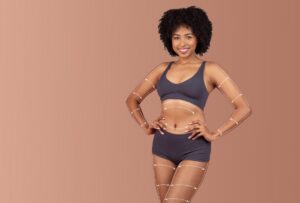
Losing a significant amount of weight is a meaningful accomplishment, and for many people in Burlington, VT, and throughout northern New England, it marks the beginning of a new chapter. Unfortunately, though, dramatic weight loss often carries a reminder of where it has been: excess skin that more diet and exercise can’t address. This guide covers how body contouring after weight loss works, which procedures may help, what results you can realistically expect, and when you might be ready to take the next step. Whether your weight loss was achieved through bariatric surgery, GLP-1 medication, a dedicated lifestyle change, or years of consistent effort, understanding your options can help you make confident, informed decisions.
How Significant Weight Loss Affects Your Body Shape
When you carry extra weight for an extended period, skin stretches to accommodate the increased volume beneath it. Over time, this stretching affects the skin’s natural elasticity. When the underlying volume decreases due to weight loss, the skin does not always snap back. The result is sagging skin that can affect the abdomen, thighs, upper arms, and other areas of the body.
The degree of loose skin a person experiences depends on several factors, including how much weight was lost, how quickly it was lost, age, genetics, and overall skin quality. Losing weight through bariatric surgery or other methods that result in significant weight loss over a shorter timeframe can lead to more pronounced loose skin than gradual weight loss.
For many people, this extra skin goes beyond appearance. Skin folds can create friction, contribute to hygiene concerns, and limit comfort during physical activities. Understanding what is happening physiologically helps explain why body contouring surgery is often considered a logical next step after significant weight loss rather than a purely cosmetic choice.
Body Contouring Surgery and What It Refers to and How It Works
Body contouring surgery refers to a category of surgical procedures designed to remove excess skin and, where appropriate, address excess fat that remains after weight loss. These procedures reshape and tighten the body, creating a more proportionate figure that better reflects the patient’s effort and progress.
Surgical body contouring differs from non-surgical body sculpting approaches. While non-surgical options may help with small areas of excess fat, they are generally not effective at removing the hanging skin that follows dramatic weight loss. Surgical procedures address the skin directly, with the surgeon making carefully planned incisions to remove the tissue and reposition what remains.
During a tummy tuck, for example, the surgeon removes excess skin from the abdomen, may tighten the abdominal muscles, and repositions the belly button for a natural result. Each procedure is tailored to the patient’s body and goals, which is why consultation with a board-certified plastic surgeon is an essential first step.
Body Contouring Procedure Options by Area
Body contouring procedures vary depending on which areas are affected. Most patients who have experienced significant weight loss have concerns in multiple areas, and we can help prioritize or combine procedures based on individual anatomy and health.
Abdomen and Midsection
The abdomen is one of the most common areas where excess skin hanging becomes a concern after weight loss. A tummy tuck, or abdominoplasty, is designed to remove excess skin and may address separated abdominal muscles.
Thighs and Lower Body
Sagging skin on the thighs can affect how clothing fits and may cause discomfort with movement. A thigh lift removes excess skin from the inner thighs, improving the leg contour.
Upper Arms
Loose skin on the upper arms is another common area of concern. An arm lift, or brachioplasty, removes excess skin to create a smoother, more toned appearance from the shoulder to the elbow. Patients often find that an arm lift improves both clothing fit and confidence in sleeveless styles.
Breasts
Weight loss frequently affects the volume and position of the breasts. A breast lift may be appropriate for patients who experience sagging or deflation after significant weight loss, helping restore a more youthful breast position and shape.
Benefits of Body Contouring After Weight Loss
The benefits of body contouring extend beyond aesthetics. Removing excess skin can reduce skin fold irritation, improve hygiene in affected areas, and make it more comfortable to exercise and engage in physical activities you worked hard to return to.
Many patients also describe meaningful emotional benefits after contouring after weight loss. When the body’s outward appearance begins to reflect progress made through diet, exercise, and dedication, it can support a healthier relationship with the body overall. Clothing fit improves, and patients often report feeling more comfortable and at ease in their skin.
Physically, removing excess sagging skin can improve posture and reduce the burden that skin folds place on the underlying body. These outcomes are just as valuable to many patients as improvements in overall appearance.
When Is the Right Time for Body Contouring After Weight Loss?
Timing matters when considering body contouring after weight loss. We recommend that patients reach a stable weight before pursuing surgical body contouring. Fluctuations in weight after surgery can affect results, so you’ll get a more predictable result if you have maintained your weight within about 10 pounds for at least 6 months before surgery and if you maintain postoperatively as well.
Reaching a stable weight also gives the skin time to settle, which allows for a more accurate assessment of what surgery can accomplish. Patients who are still actively losing weight, or whose weight fluctuates significantly, may be advised to wait before scheduling procedures.
Good health is another important consideration. Patients should be in good health overall, non-smokers or willing to stop smoking well before surgery, and prepared for a recovery period that typically spans six to eight weeks for more involved procedures. Our thorough evaluation at your consultation will help determine the right timing and approach.
What to Expect For Your Results and Recovery
Results from body contouring surgery are often immediately visible following the procedure, though final results develop over weeks to months as swelling resolves and the skin settles into its new position. Most patients describe a noticeably more toned appearance and a body shape that feels more consistent with their progress in weight loss.
Recovery timelines vary based on which procedures are performed and how many areas are addressed. For many procedures, patients return to light activities within a few weeks, with a full return to physical activities and exercise after approximately six weeks. Dr. MacLennan will give you specific instructions on how to control pain, manage activity, and care for incisions during recovery.
As with any surgical procedure, body contouring carries risks, including bleeding, infection, scarring, and blood clots. We will discuss these in detail during your consultation and pre-op appointments, and steps will be taken to minimize risk. Realistic expectations are important: scars are a natural outcome of skin-removal surgery, and while we work to place incisions thoughtfully, scars are a trade-off most patients consider worthwhile.
Are You a Good Candidate for Contouring After Weight Loss?
A good candidate for body contouring after significant weight loss is someone who has achieved a stable weight, is in good health without uncontrolled health conditions, does not smoke or is willing to quit, and has realistic expectations about what surgery can and cannot accomplish.
Patients should also be emotionally prepared for the process, including recovery time and the gradual nature of final results. Body contouring is not a substitute for a healthy lifestyle, and maintaining a balanced diet and regular exercise after surgery helps support lasting outcomes.
Why Choose Mountain Lake Plastic Surgery in Colchester, VT
When it comes to body contouring after weight loss, the experience and credentials of your surgeon matter. Susan MacLennan, MD, brings extensive surgical training and a deeply patient-centered approach to every consultation at Mountain Lake Plastic Surgery in Colchester, VT. Dr. MacLennan graduated cum laude from Dartmouth College and Geisel School of Medicine at Dartmouth, completed six years of residency at the University of Cincinnati, served 15 years on the faculty of the UVM College of Medicine, and has been in private practice since 2015.
Dr. MacLennan is Board-Certified by the American Board of Plastic Surgery and serves as an Examiner for the Board’s Oral Exam, contributing directly to the education and safety standards of the next generation of plastic surgeons. She is a longstanding member of the prestigious American Society for Aesthetic Plastic Surgery and is also a member of the American Society of Plastic Surgeons. Patients from Colchester, Burlington, St. Albans, Plattsburgh, and across northern New England and the North Country of New York trust Mountain Lake Plastic Surgery for personalized, high-quality cosmetic surgery care in an intimate, service-oriented setting.
Have questions beyond what this guide covers? Susan MacLennan, MD, can provide personalized guidance based on your individual situation. Contact Mountain Lake Plastic Surgery online or call (802) 231-4310 to schedule a consultation.


